影像专区
电影
《方舟与黑暗》《排除万难以色列生存奇迹》等独立影像作品。
118 部 · 131 集
方舟与黑暗 - 精简版
方舟与黑暗 - 完整版
排除万难以色列生存奇迹

A Fisher Of Men
Episode 368: Lonesome Road Podcast

A Peculiar People
Episode 363: Lonesome Road Podcast
A Prophet's Job
He Gave Us Prophets: A Prophet's Job - Part 2 Explores the job titles, transitions and expectations of a prophet.
A Voice of Total Silence
The people of Israel experienced an out-of-this-world event at Mount Sinai when they “saw the voices.” They then turned to Moses and asked that he be their emissary. What can this story teach us about human limitations?
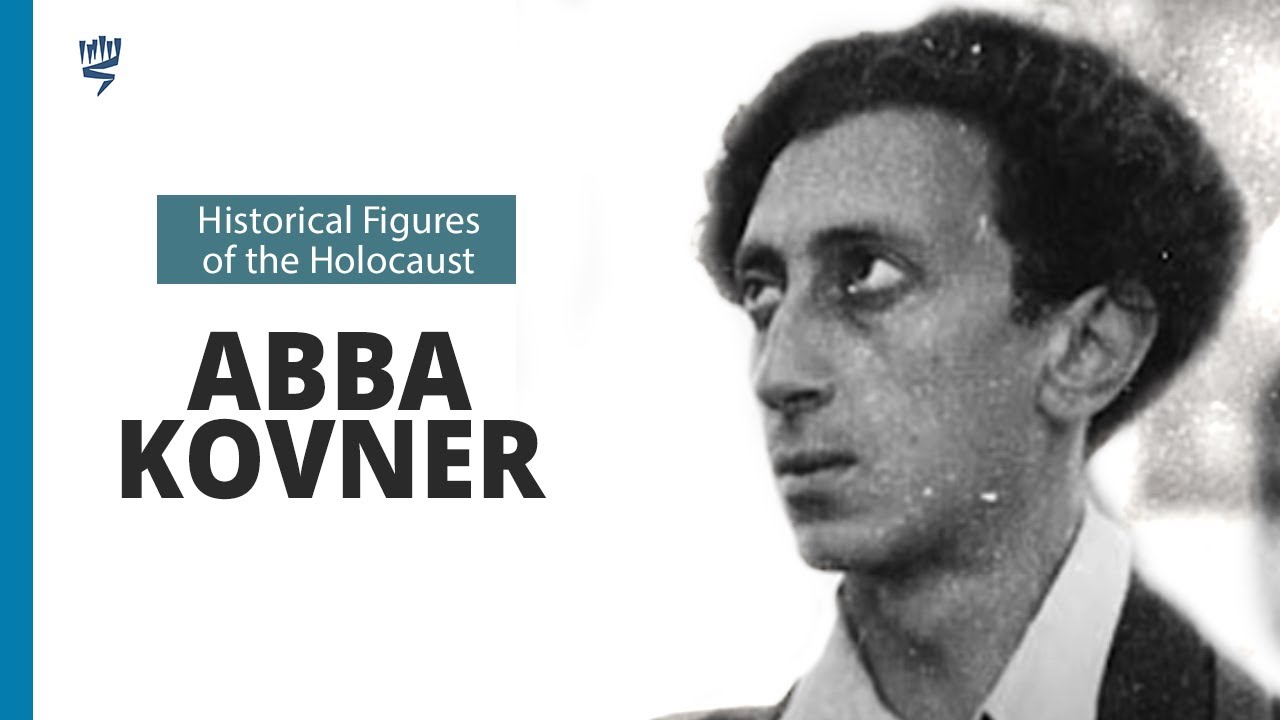
Abba Kovner
This video presents a brief overview of the activity of Abba Kovner, commander on the underground and partisans in the Vilna area, a founder of the "Habricha" postwar emigration movement, poet, author and cultural and public figure in Israel.
Abraham the Hebrew
Watch the video in which Gil and Rabbi Pesach are discussing the fact that despite Abraham's role in changing the course of humanity, he doesn't try to destroy the old while bringing in the new.
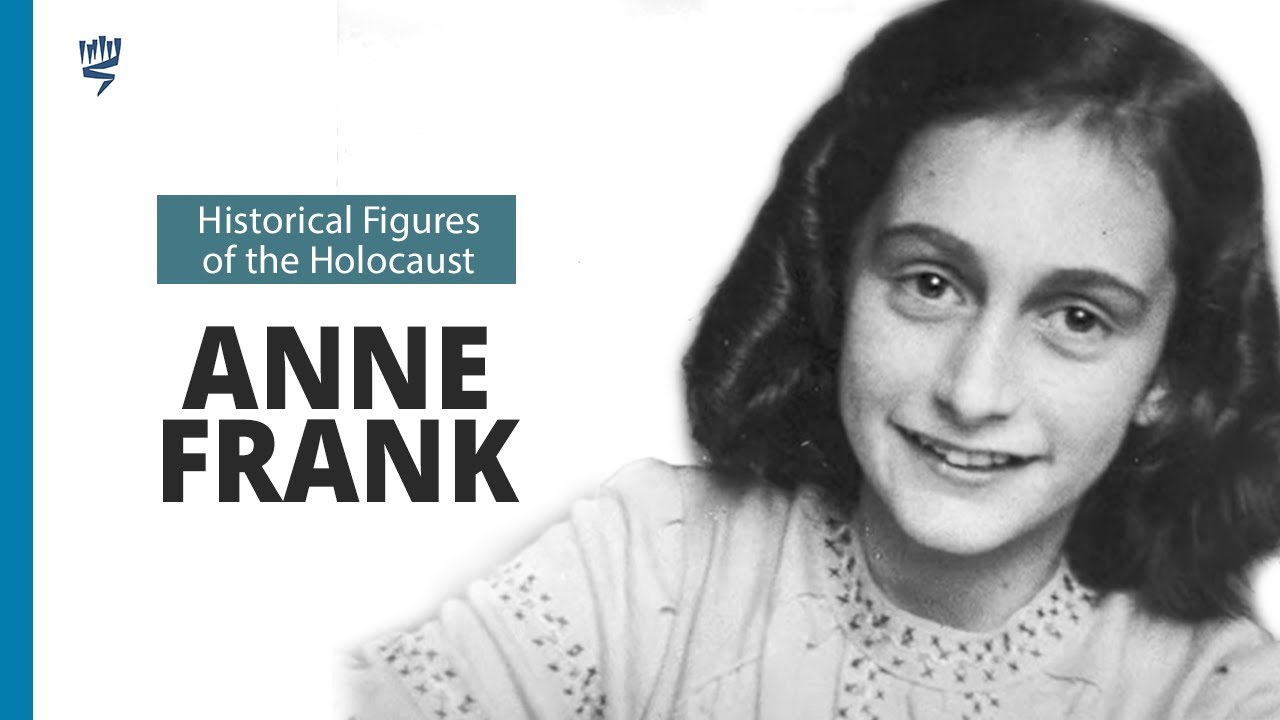
Anne Frank
This video provides a short overview of Anne Frank's life, presenting her life in hiding as emerges from her diary, which went on to be the most famous, and best-selling personal diary of all time. Credits: Text: Anne Frank, The Diary of a Young Girl: The Definitive Edition, (USA: Doubleday, 1995) Yad Vashem Archives
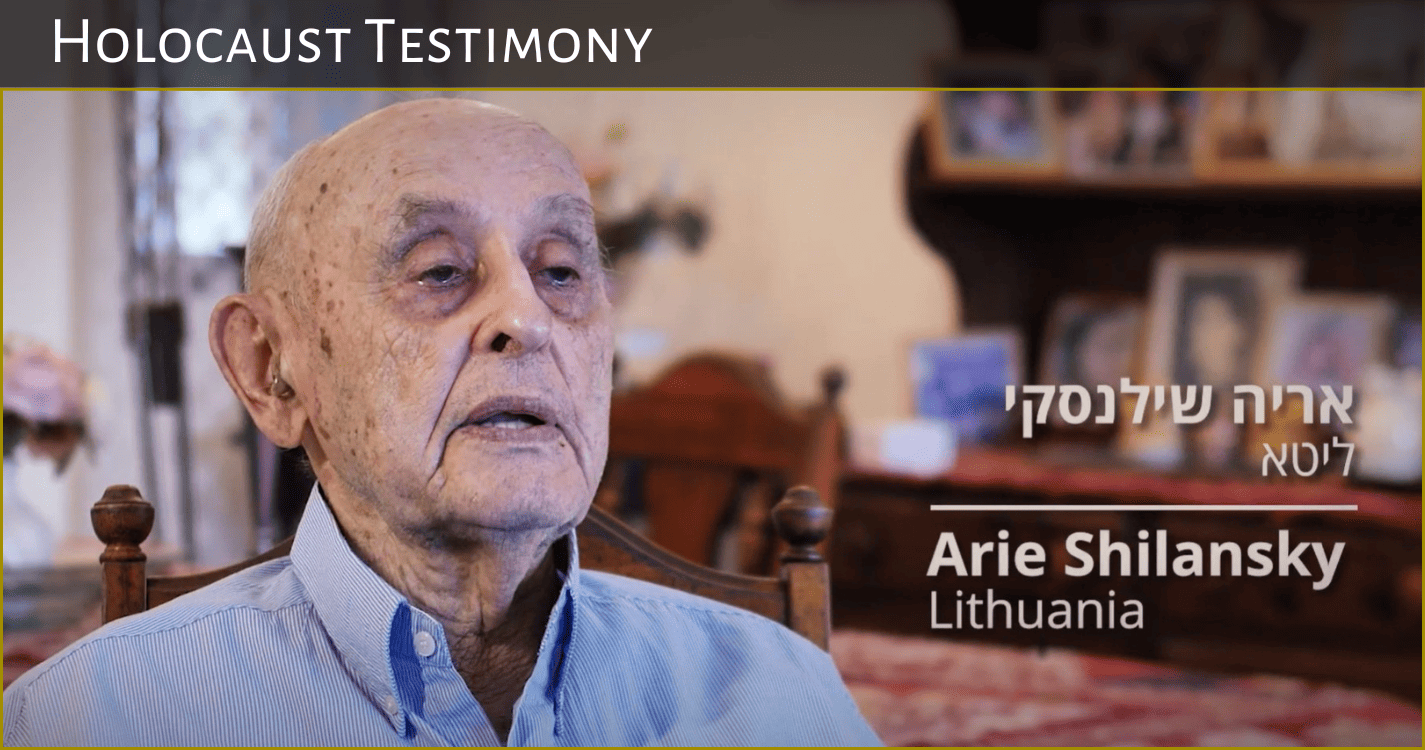
Arie Shilansky
Arie Shilansky was born in 1928 in the town of Siauliai, Lithuania, to a Zionist family, the youngest of four children. His father, Yosef Zvi Shilansky, died when he was born. In June 1941, the Germans invaded and occupied Lithuania. A few weeks later, a ghetto was established in Siauliai, and Arie and his family were imprisoned there. "In the ghetto, we lived a life of hunger and humiliation," Arie later recalled. "I remember the horror of the public hanging of Bezalel Mazowiecki, who tried to smuggle food and cigarettes." On 5 November 1943, the children's Aktion began in the ghetto. "My sister Chana came running, and said, 'Run to the Frenkel factory!' We fled the ghetto. The Jewish foreman of the factory quickly put us in a warehouse, hid the door behind an iron cabinet and told me: 'There are fifteen young children here. You are the oldest. Make sure there is complete silence so that they do not discover you.' I told them stories in order to keep them quiet. When people returned to the ghetto from work and found out that their children had been abducted, we heard terrible cries of anguish. Women tore their hair and banged their heads against the wall. The cry that reverberated in the ghetto resonates to this day."
Authority in Theology: Forum
Building Your Theology: Authority in Theology: Forum - Part 4 A companion video to lesson 4 of the same series that asks the following questions: Does the modern church overemphasize the divine origin of Scripture? Doesn't downplaying the human origins of Scripture make the Bible more exciting? When Christians are illiterate, is it helpful for the church to make authoritative decisions? Is it legitimate for the church to use images to teach illiterate Christians? Did classical polyvalence always ground the figurative meanings of Scripture in its literal meaning? How does a polyvalent approach differ from a search for literal meaning? Were there good aspects of the medieval Roman Catholic Church? How does the modern Roman Catholic Church interpret the Bible? Did the Reformers really get their methods of interpretation from the Renaissance? How did the interpretive methods of the Reformers accord with Scripture? How did first-century Christians interpret the Bible? Was Matthew concerned with the original meaning of Hosea? Did the Reformers believe that Scripture could have multiple meanings? Why did the church move away from a polyvalent view of Scripture? Is every passage of Scripture limited to one, unified meaning? Did the Reformers base their theology entirely on their exegesis of Scripture? How clear are the teachings of Scripture? Should we use clear passages of Scripture to interpret unclear passages? Is John 3:16 a clear passage? Should we hold all our beliefs with equal conviction?
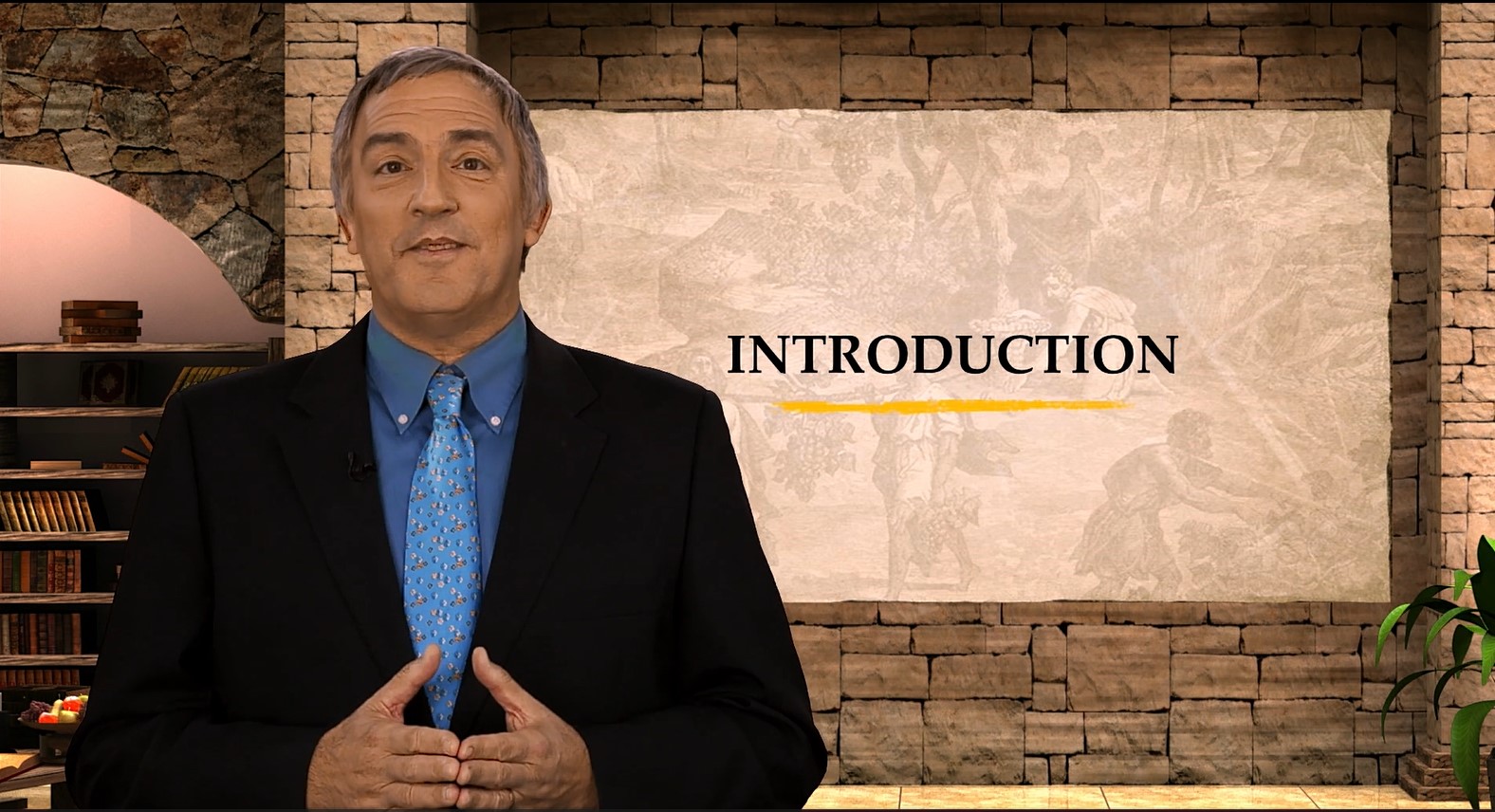
Biblical Hebrew Course: Introduction
Produced by HolyLandBible.com, join Rabbi Howard Markose and learn biblical Hebrew while studying the bible. Develop a greater connection to the bible by diving in to the original language in which it was written
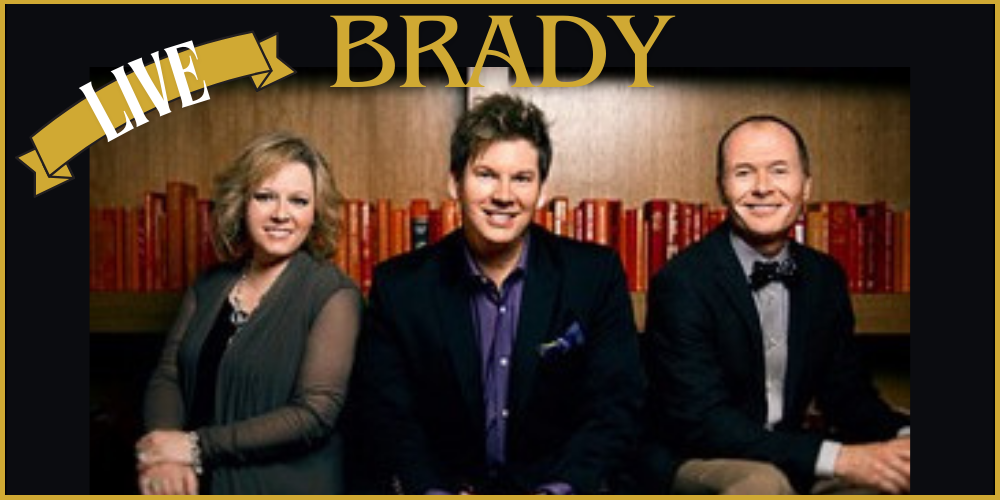
Brady - Live
Watch highlights from Brady in concert
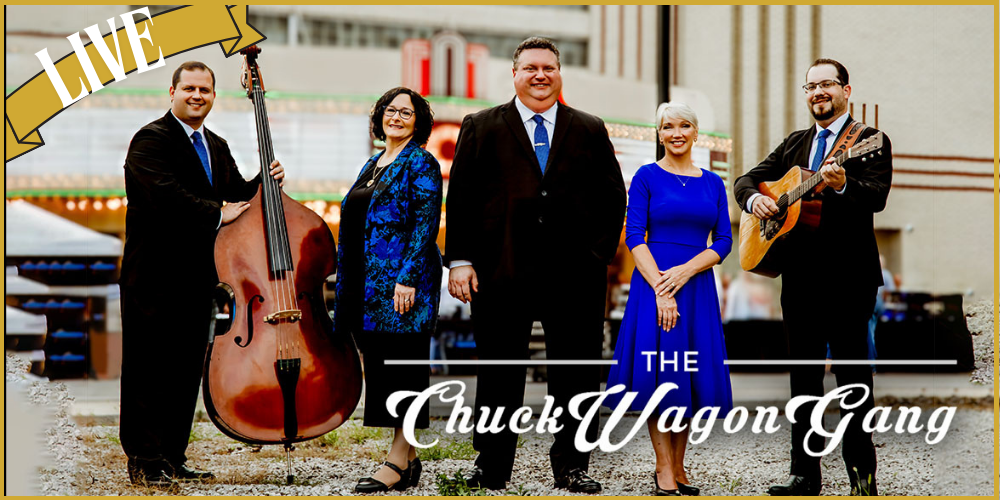
Chuck Wagon Gang - Live
Watch highlights from Chuck Wagon Gang live in concert
Doctrines in Systematics: Forum
Building Systematic Theology: Doctrines in Systematics: Forum - Part 4 A companion video to lesson 4 of the same series that asks the following questions: How can we ensure that doctrine doesn't divide us unnecessarily? If Christians all read the same Bible, why don't we all affirm the same doctrines? How confident should we be that traditional doctrines are correct? How might the church's expansion in Africa and South America impact its doctrinal emphases? How do systematic theologians' positive and negative goals impact their theological emphases? Are traditional doctrines relevant to the modern church? How does the metaphor of a brick wall for systematic theology relate to the web of multiple reciprocities? How can we do systematic theology if we aren't trained in logic? How do we handle statements in Scripture that seem to be illogical? Does the Old Testament have statements that appear to be contradictory? What is the law of non-contradiction? How can we use the law of non-contradiction when we apply the Bible to our lives? What's the difference between induction and deduction? What is the inductive gap"? How does the Holy Spirit help us to bridge the inductive gap? How can we discern doctrinal emphases from doctrinal differences?"
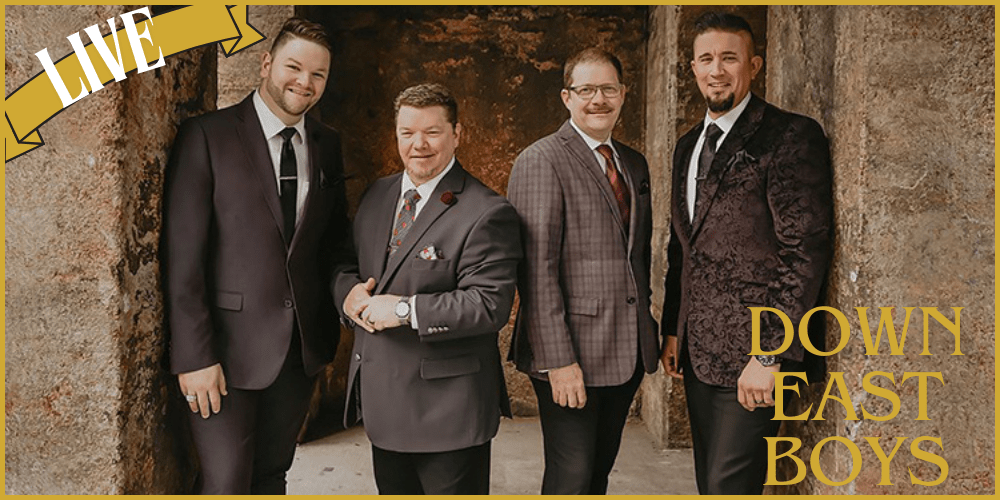
Down East Boys - Live
Watch highlights from Down East Boys concert
Dynamics of the Covenants
He Gave Us Prophets: Dynamics of the Covenants - Part 4 Explores covenant ideals, judgments and blessings.
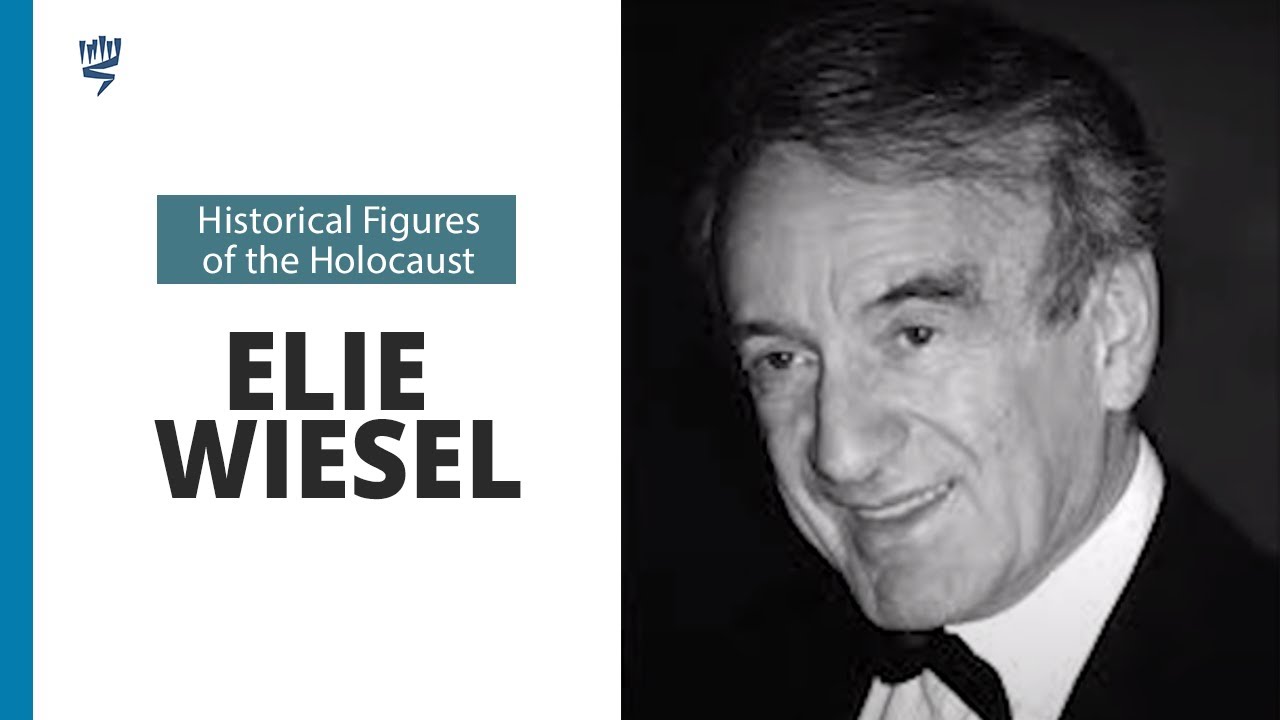
Elie Wiesel
Elie Wiesel (1928-2016) became a symbol of Holocaust memory and documentation, and a clear voice in the struggle for human rights. Born in Sighet in Transylvania, Wiesel was sent to Auschwitz in 1944, and from there was sent on a death march to Buchenwald, where he was liberated by the US Army. His parents and younger sister were murdered. After the war, Wiesel turned to journalistic writing, and with time he began literary and reflective writing about the Holocaust and life before it. He was known for his many books (translated into dozens of languages) - the best-known of which is "Night" - as well as his educational and journalistic endeavors, which won him a Nobel Peace Prize in 1986.
Essential Hermeneutical Perspectives
He Gave Us Prophets: Essential Hermeneutical Perspectives - Part 1 Explores the confusion about prophecy, a prophet's experience, original meaning and New Testament perspectives on Old Testament prophecy.
Exploring Christian Theology: Forum
Building Your Theology: Exploring Christian Theology: Forum - Part 2 A companion video to lesson 2 of the same series that asks the following questions: What is tradition? Which traditions are good? Why is theology a form of tradition? How can we distinguish what the Bible teaches from what we believe it teaches? Should churches try to balance orthodoxy, orthopraxis and orthopathos? Should orthodoxy, orthopraxis and orthopathos all be emphasized in the local church? What's wrong with theology being bound by tradition? Should we avoid rationalism? Why do we need to be aware of ourselves if the goal of theology is objective truth? Are these lessons designed to convert students to a particular tradition? Is it possible for different denominations to benefit from each other? What are the five <i>solas</i> of the Reformation? How do creeds and confessions relate to the <i>solas</i>? Do the <i>solas</i> of the Reformation ignore the Father and the Holy Spirit? If justification is by faith alone, why does the Bible emphasize good works? If everything should be done for God's glory, where does our glorification fit? How can the Old and New Testaments be unified when they look so different? Is the New Testament more relevant to us than the Old Testament? Does the Bible emphasize God's transcendence over his immanence? Does the modern church need to hear more about God's transcendence or his immanence? How much of the world's culture should the church try to transform? Why does the modern church have a hard time trying to transform culture? Is Christian theology defined as what Christians believe? Is there a core set of beliefs that all Christians can affirm? How much theological diversity is acceptable? Why are some religions closer to Christianity than others are? Do believers sometimes suppress the truth that God has revealed?
Go to Yourself
Watch the video in which Gil and Rabbi Pesach discuss the significance of the phrase Lecha Lechah or “go into yourself”.
God Has a Plan
The Bible is God’s story to us. The Bible describes how you can know God, and how you can live for Him. God gave us the Bible because He loves us! It answers many of our questions, and guides us through life.
Heart Of A Champion
Lonesome Road Podcast: Heart of A Champion with Scott Mendes, 1997 PRCA World Champion Bull Rider
Historical Analysis of Prophecy
He Gave Us Prophets: Historical Analysis of Prophecy - Part 5 Examines how Old Testament history provides the context for properly understanding Old Testament prophecy.
In the Beginning
Watch the video in which Gil explains how the first word of the Bible, namely Bereshit (בְּרֵ×ש×ִ֖ית), illustrates the wholeness of creation.
Introduction
Watch the video in which Gil talks about the return of Jewish immigrants to their homeland after 2,000 years. Why do you think that new Jewish immigrants arriving in Israel during the early 20th century believed that their children were an answer to a 2,000-year-old prayer?
Israel
Watch the video in which Gil and Rabbi Pesach discuss the story of the struggle between Jacob and the angel and the meaning of the name Israel.
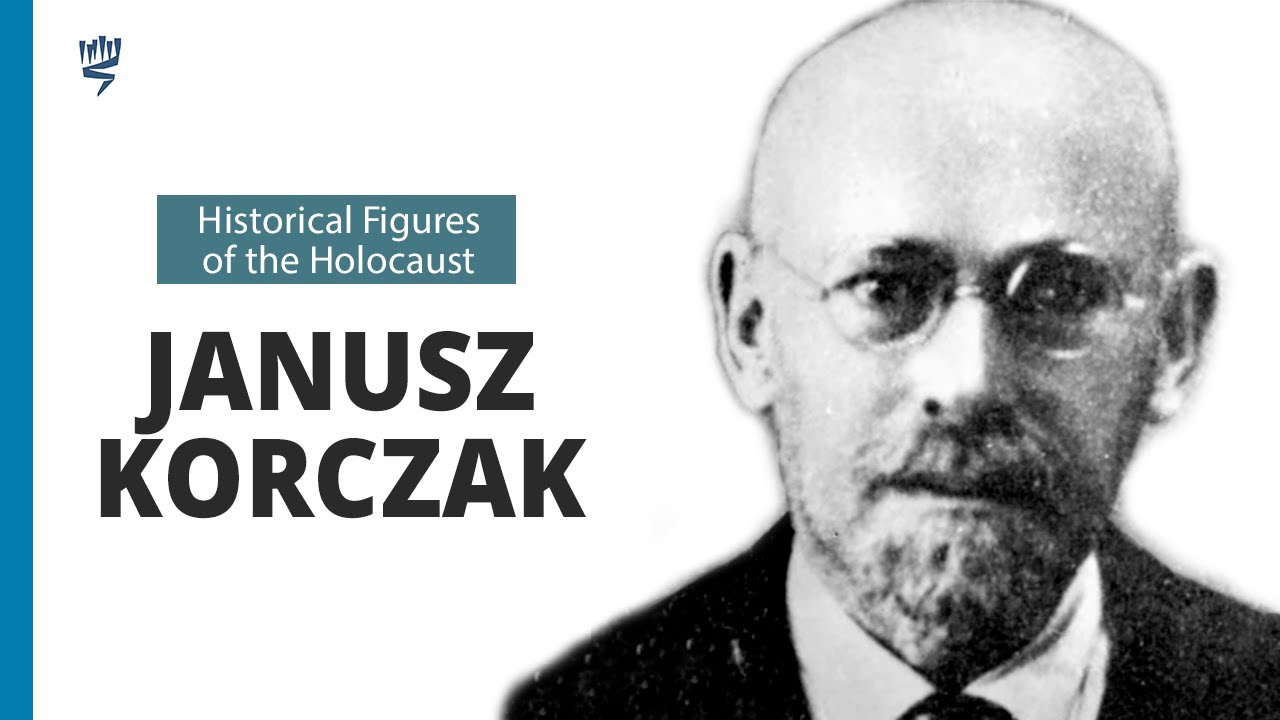
Janusz Korczak
The story of the physician, writer and educator Janusz Korczak and his educational legacy as expressed before and during the Holocaust. The film accompanies an educational learning environment dedicated to Janusz Korczak and his deputy in the orphanage Stefania Wilczanska. The learning environment includes an overview of the lives of Korczak and Stefania and presents central values in Korczak's educational ideas and the way he and Stefa implemented them in the lives of their young wards. In addition, a lesson plan is suggested for teachers using two poems about Korzcak, presented together with a monument dedicated to him and located on the site of Yad Vashem.
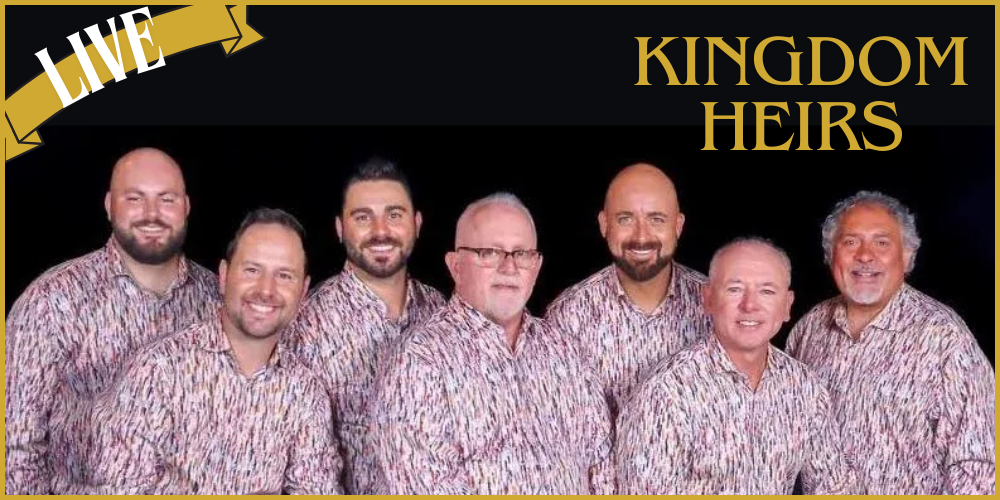
Kingdom Heirs - Live
Watch highlights from the Kingdom Heirs Concert
Lesson 1: In The Garden of Eden
Produced by HolyLandBible.com, join Rabbi Howard Markose and learn biblical Hebrew while studying the bible. Develop a greater connection to the bible by diving in to the original language in which it was written.
Lesson 1: In The Garden of Eden
Produced by HolyLandBible.com, join Rabbi Howard Markose and learn biblical Hebrew while studying the bible. Develop a greater connection to the bible by diving in to the original language in which it was written
Lesson 10: The Plagues & Pharaoh's Heart 2
Produced by HolyLandBible.com, join Rabbi Howard Markose and learn biblical Hebrew while studying the bible. Develop a greater connection to the bible by diving in to the original language in which it was written
Lesson 10: The Plagues & Pharaoh's Heart Part 2
Produced by HolyLandBible.com, join Rabbi Howard Markose and learn biblical Hebrew while studying the bible. Develop a greater connection to the bible by diving in to the original language in which it was written.
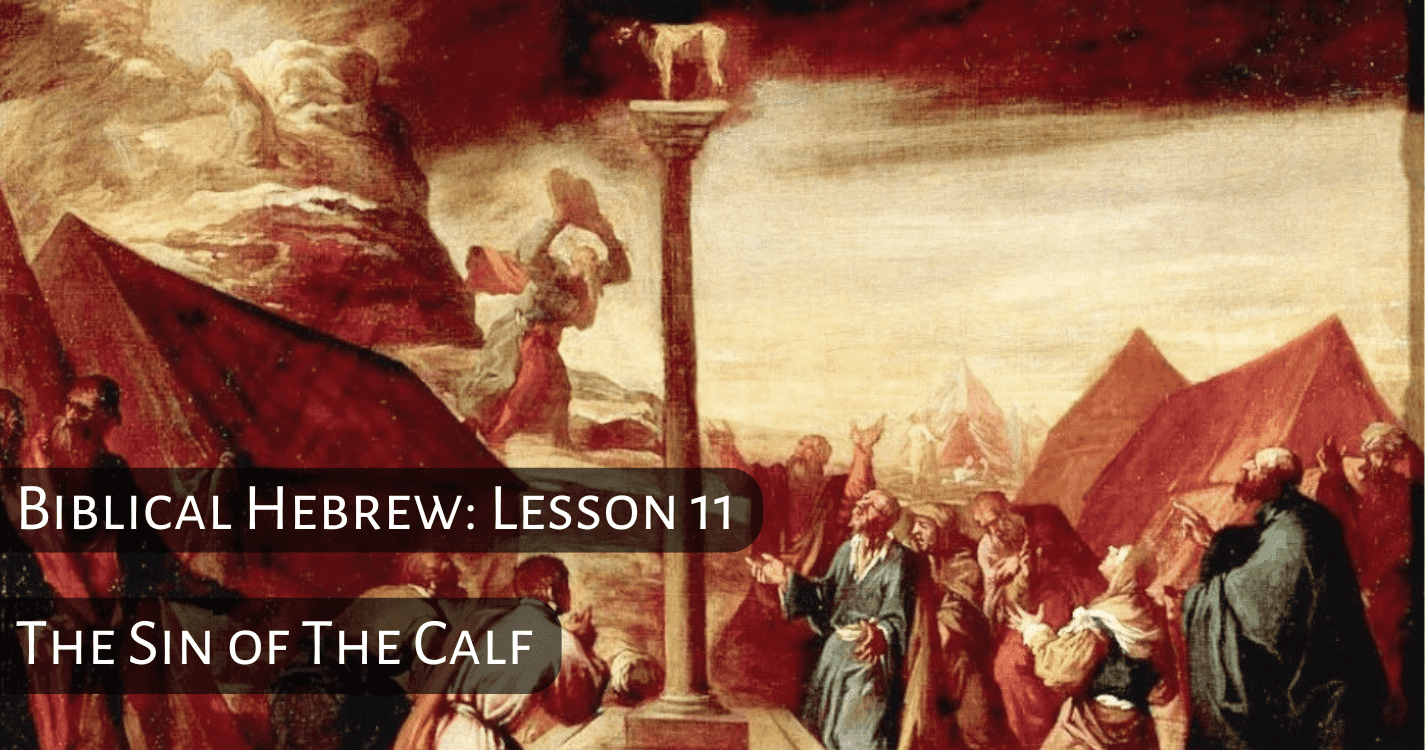
Lesson 11: The Sin of the Calf
Produced by HolyLandBible.com, join Rabbi Howard Markose and learn biblical Hebrew while studying the bible. Develop a greater connection to the bible by diving in to the original language in which it was written.
Lesson 11: The Sin of the Calf
Produced by HolyLandBible.com, join Rabbi Howard Markose and learn biblical Hebrew while studying the bible. Develop a greater connection to the bible by diving in to the original language in which it was written
lesson 12 The Tale o the Twelve Spies
Produced by HolyLandBible.com, join Rabbi Howard Markose and learn biblical Hebrew while studying the bible. Develop a greater connection to the bible by diving in to the original language in which it was written
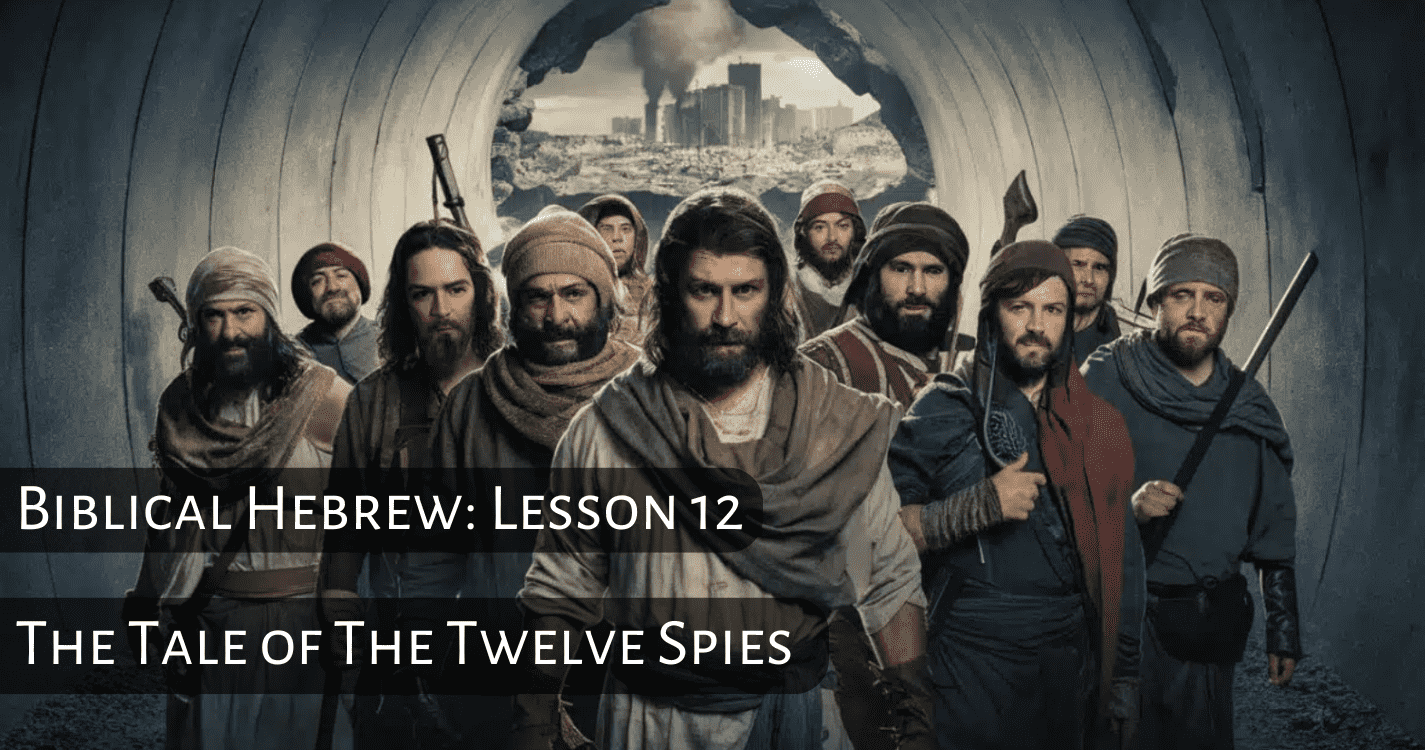
Lesson 12: The Tale of the Twelve Spies
Produced by HolyLandBible.com, join Rabbi Howard Markose and learn biblical Hebrew while studying the bible. Develop a greater connection to the bible by diving in to the original language in which it was written.
Lesson 2: Caine & Abel
Produced by HolyLandBible.com, join Rabbi Howard Markose and learn biblical Hebrew while studying the bible. Develop a greater connection to the bible by diving in to the original language in which it was written
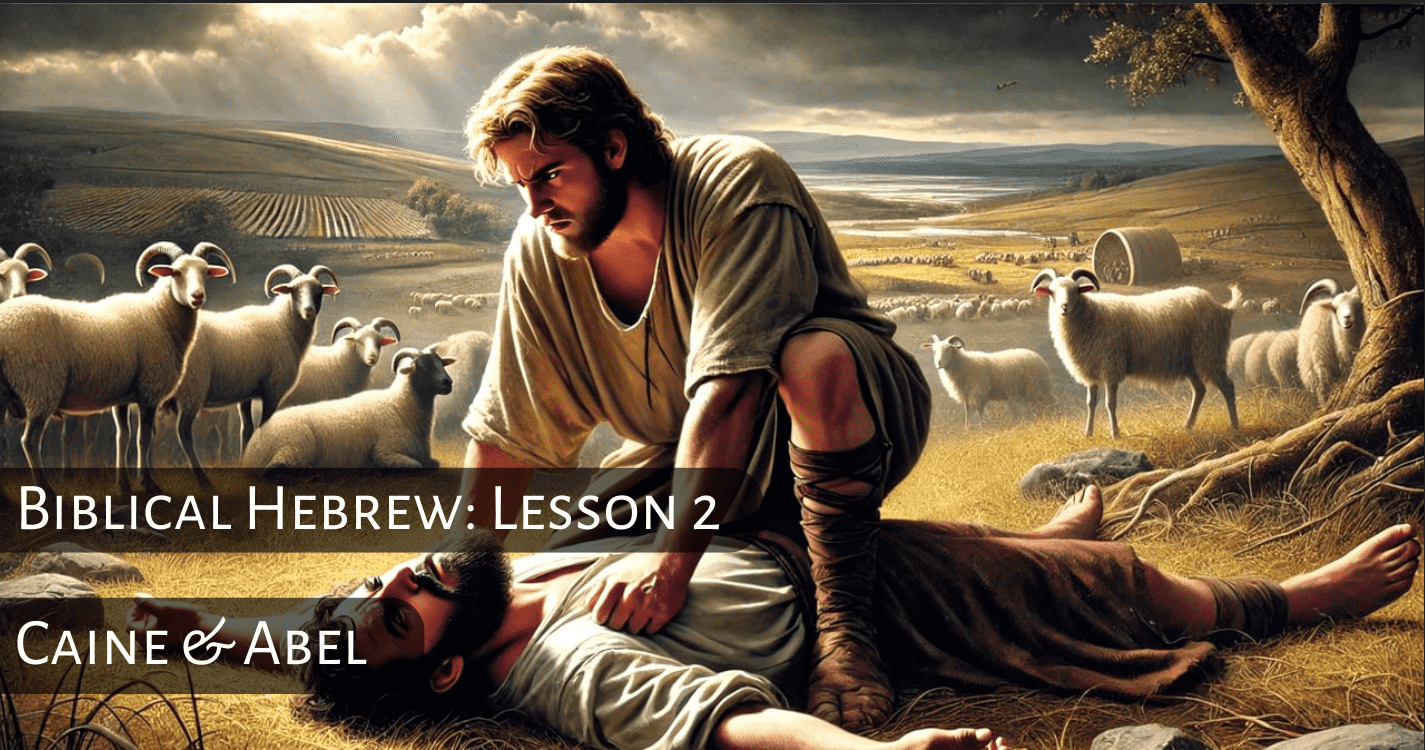
Lesson 2: Caine & Abel
Produced by HolyLandBible.com, join Rabbi Howard Markose and learn biblical Hebrew while studying the bible. Develop a greater connection to the bible by diving in to the original language in which it was written.
Lesson 3: Noah & The Flood
Produced by HolyLandBible.com, join Rabbi Howard Markose and learn biblical Hebrew while studying the bible. Develop a greater connection to the bible by diving in to the original language in which it was written
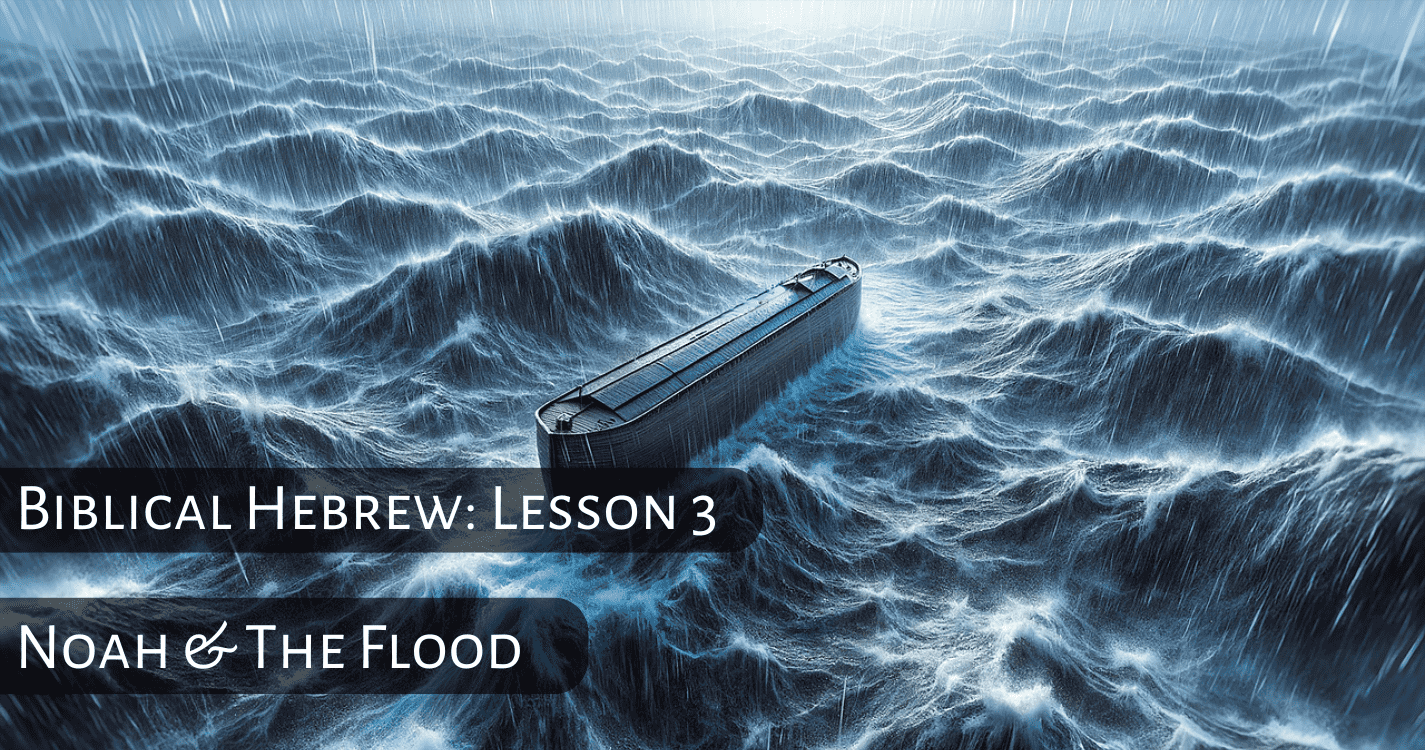
Lesson 3: Noah & The Flood
Produced by HolyLandBible.com, join Rabbi Howard Markose and learn biblical Hebrew while studying the bible. Develop a greater connection to the bible by diving in to the original language in which it was written.
Lesson 4: Tower of Babel
Produced by HolyLandBible.com, join Rabbi Howard Markose and learn biblical Hebrew while studying the bible. Develop a greater connection to the bible by diving in to the original language in which it was written
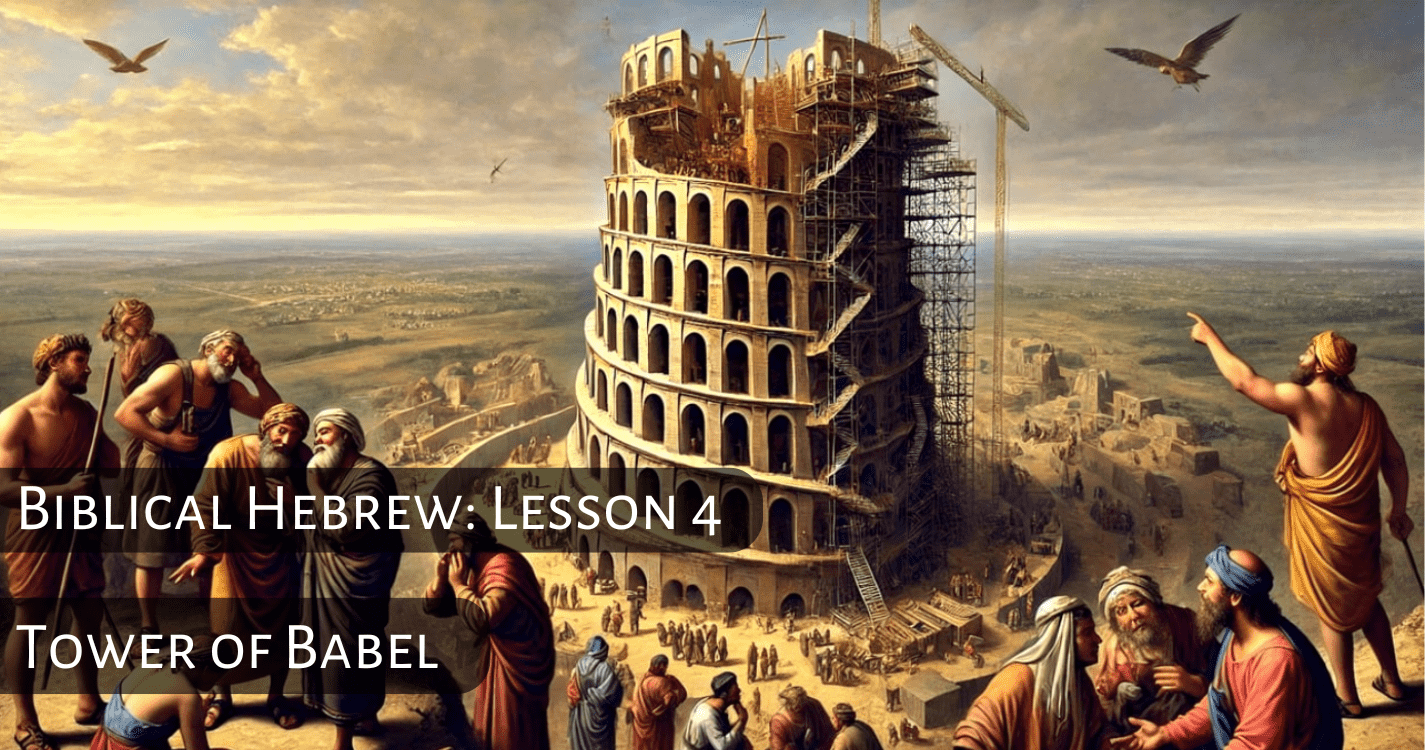
Lesson 4: Tower of Babel
Produced by HolyLandBible.com, join Rabbi Howard Markose and learn biblical Hebrew while studying the bible. Develop a greater connection to the bible by diving in to the original language in which it was written.
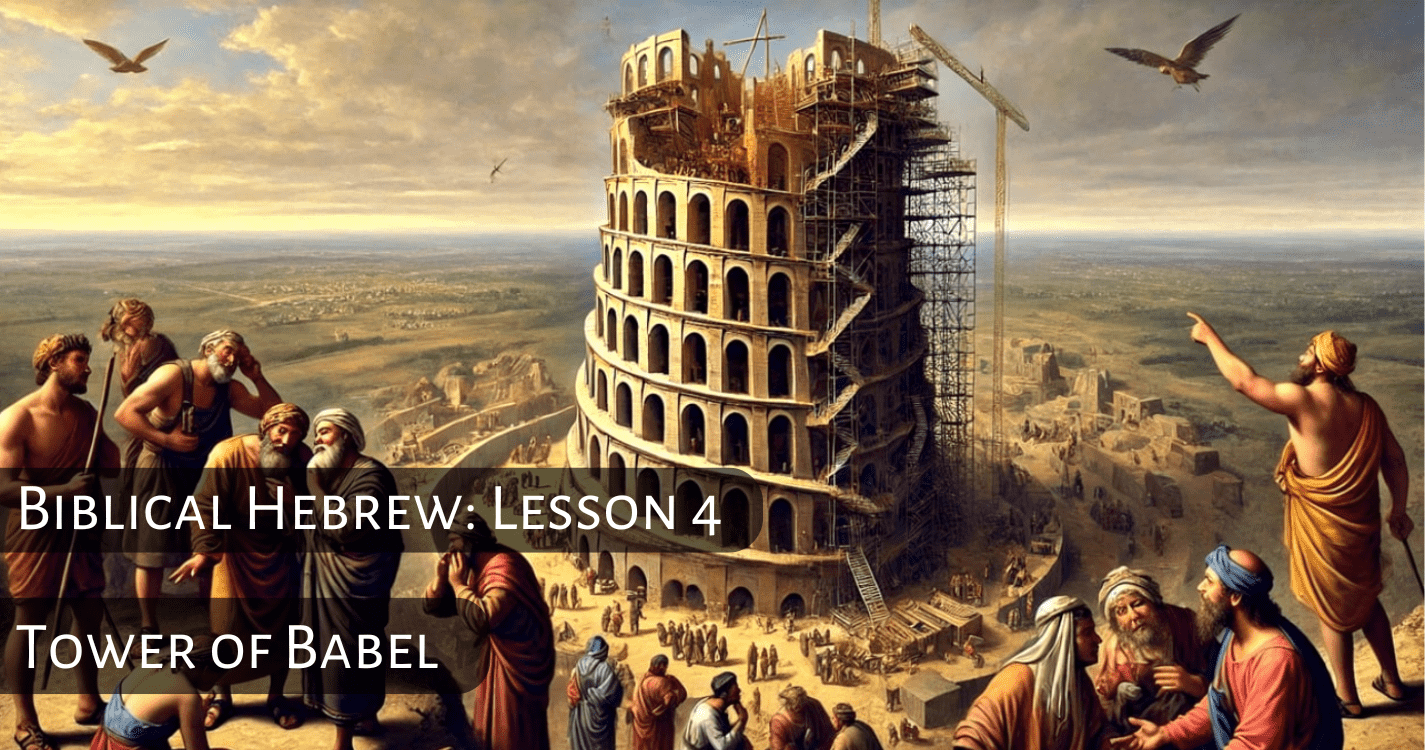
Lesson 4: Tower of Babel
Produced by HolyLandBible.com, join Rabbi Howard Markose and learn biblical Hebrew while studying the bible. Develop a greater connection to the bible by diving in to the original language in which it was written.
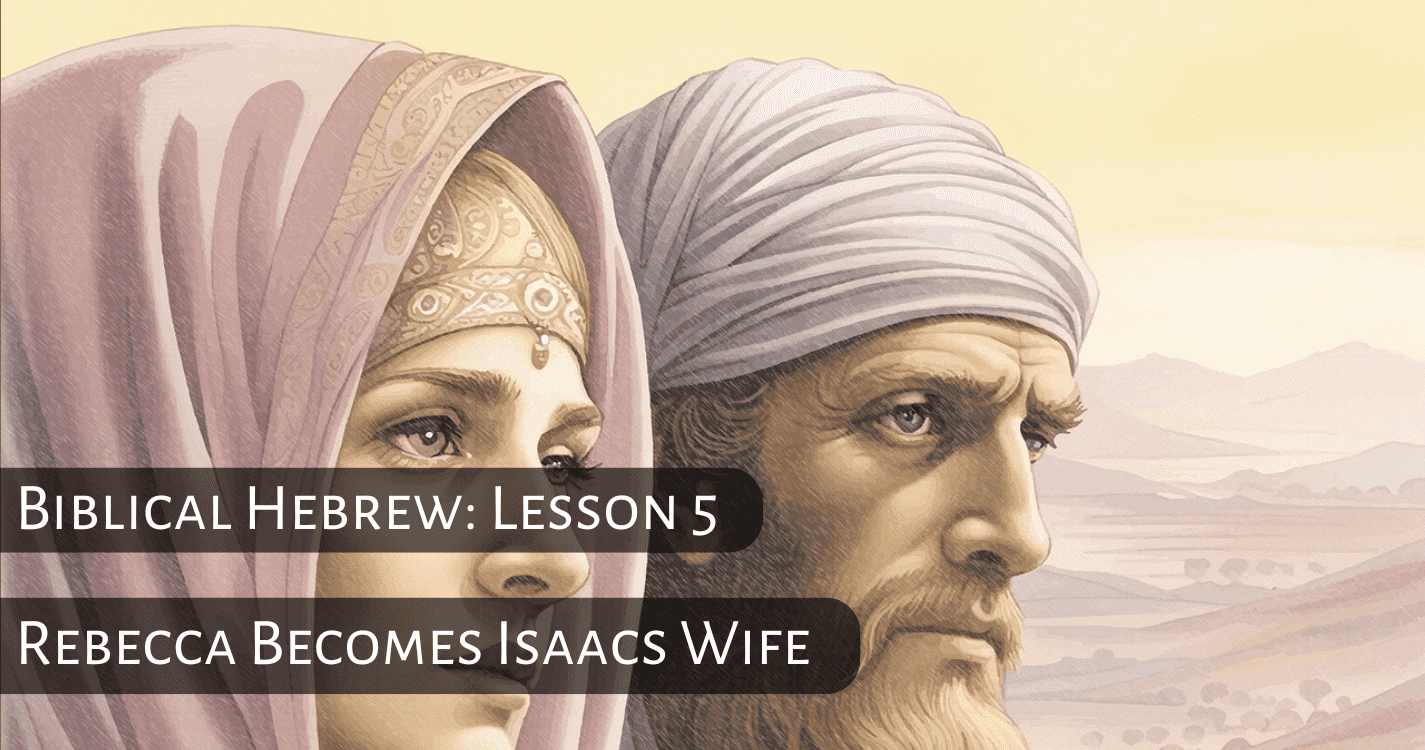
Lesson 5: Rebecca Becomes Isaacs Wife
Produced by HolyLandBible.com, join Rabbi Howard Markose and learn biblical Hebrew while studying the bible. Develop a greater connection to the bible by diving in to the original language in which it was written.
Lesson 5: Rebecca Becomes Isaacs Wife
Produced by HolyLandBible.com, join Rabbi Howard Markose and learn biblical Hebrew while studying the bible. Develop a greater connection to the bible by diving in to the original language in which it was written
Lesson 6: Jacob's Ladder & His Vow
Produced by HolyLandBible.com, join Rabbi Howard Markose and learn biblical Hebrew while studying the bible. Develop a greater connection to the bible by diving in to the original language in which it was written
Lesson 6: Jacob's Ladder & His Vow
Produced by HolyLandBible.com, join Rabbi Howard Markose and learn biblical Hebrew while studying the bible. Develop a greater connection to the bible by diving in to the original language in which it was written.
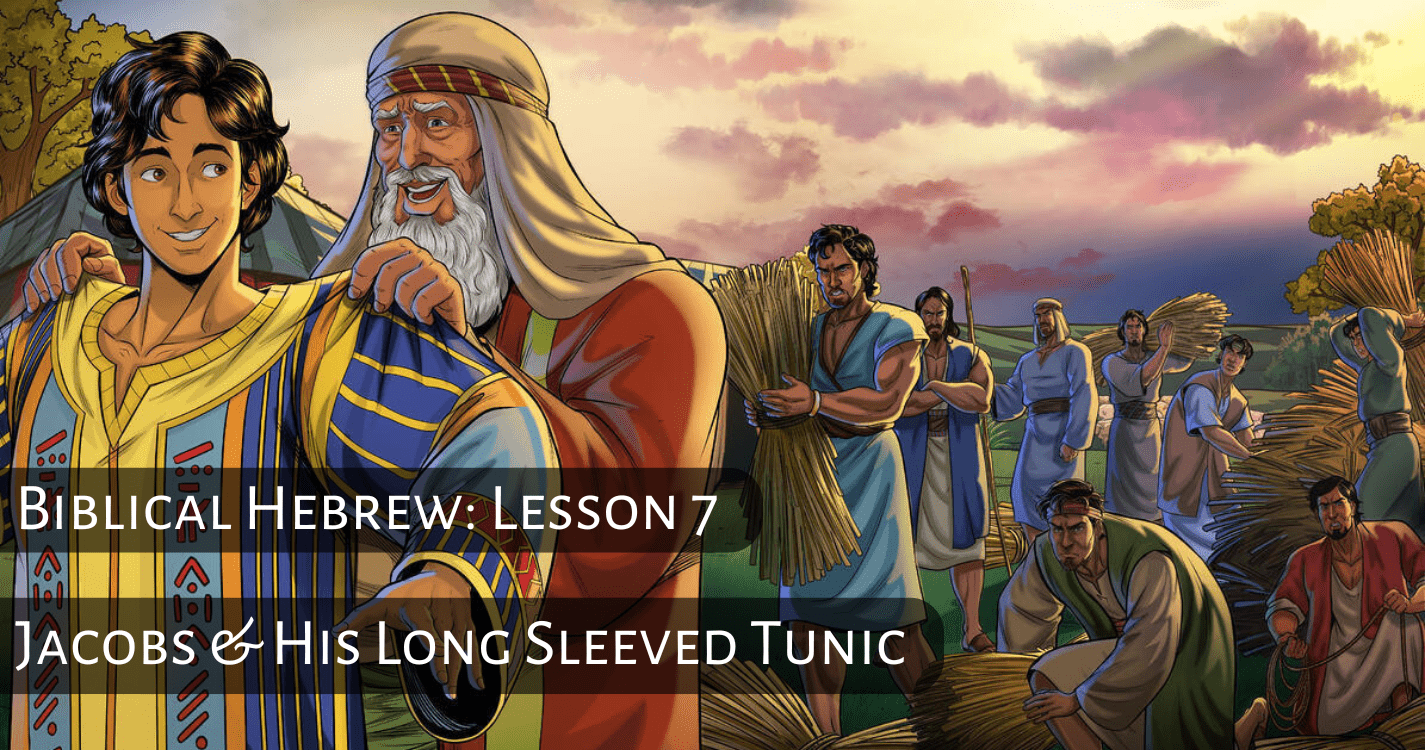
Lesson 7: Jacob & His Long Sleeved Tunic
Produced by HolyLandBible.com, join Rabbi Howard Markose and learn biblical Hebrew while studying the bible. Develop a greater connection to the bible by diving in to the original language in which it was written.
Lesson 7: Jacob & His Long Sleeved Tunic
Produced by HolyLandBible.com, join Rabbi Howard Markose and learn biblical Hebrew while studying the bible. Develop a greater connection to the bible by diving in to the original language in which it was written
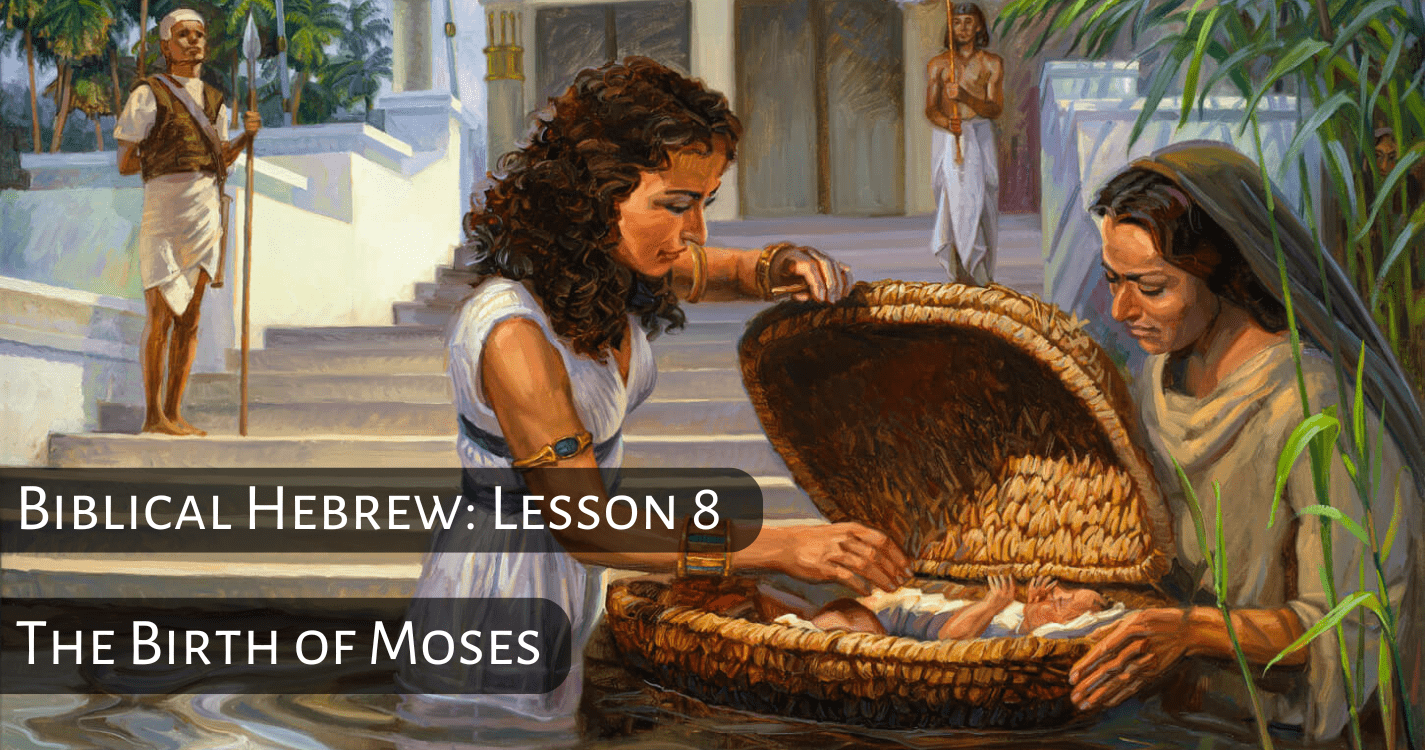
Lesson 8: The Birth of Moses
Produced by HolyLandBible.com, join Rabbi Howard Markose and learn biblical Hebrew while studying the bible. Develop a greater connection to the bible by diving in to the original language in which it was written.
Lesson 8: The Birth of Moses
Produced by HolyLandBible.com, join Rabbi Howard Markose and learn biblical Hebrew while studying the bible. Develop a greater connection to the bible by diving in to the original language in which it was written
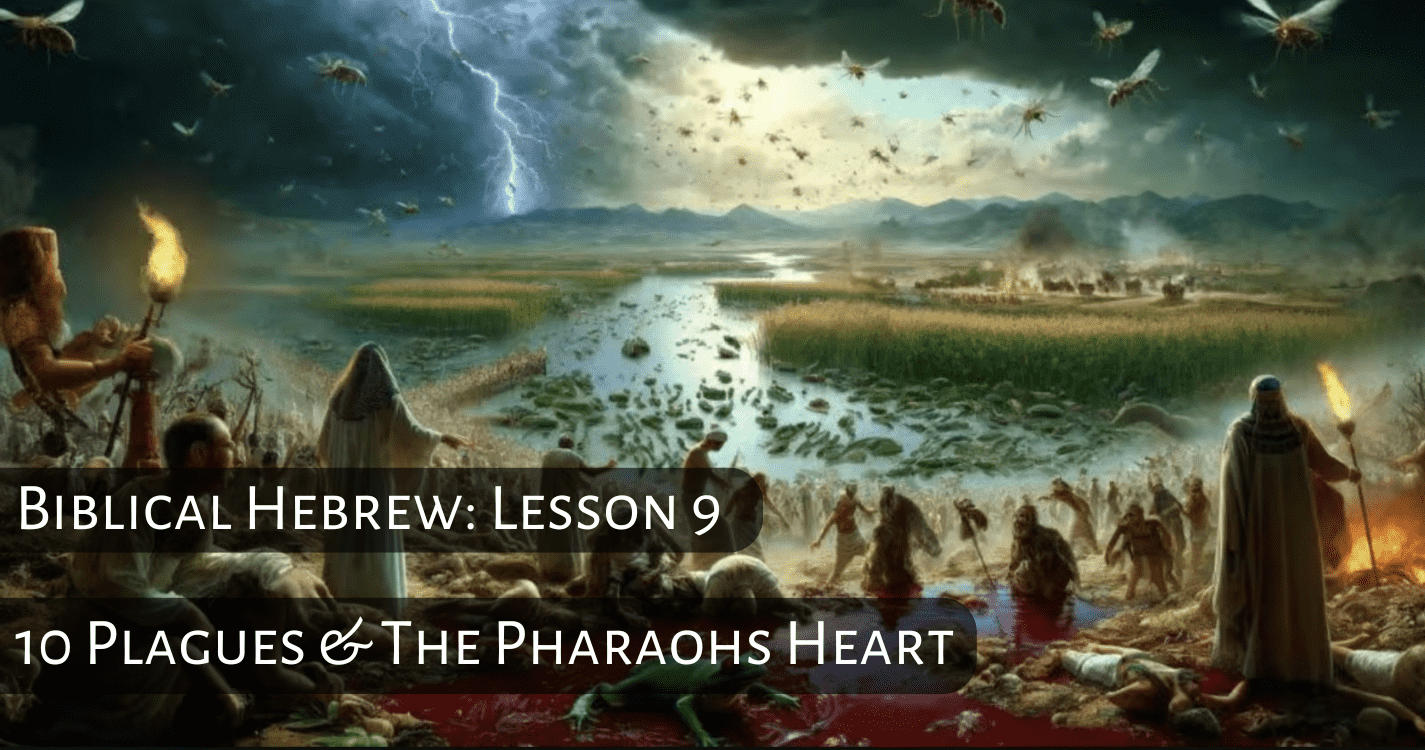
Lesson 9: The 10 Plagues & The Pharaohs Heart
Produced by HolyLandBible.com, join Rabbi Howard Markose and learn biblical Hebrew while studying the bible. Develop a greater connection to the bible by diving in to the original language in which it was written.
Lesson 9: The 10 Plagues & The Pharaohs Heart
Produced by HolyLandBible.com, join Rabbi Howard Markose and learn biblical Hebrew while studying the bible. Develop a greater connection to the bible by diving in to the original language in which it was written
Literary Analysis of the Prophets
He Gave Us Prophets: Literary Analysis of the Prophets - Part 6 Examines three different kinds of literature within Old Testament prophecy: historical narratives, communication with God and communication with people.
Lonesome Road Music TV EP 6-2025
For Uplifting Testimonies, Great Music, Diving into the Word, Inspiring Interviews and more; Keep it tuned into Lonesome Road Television. Right here on Crossflix. Share the Good News today - tell somebody about Lonesome Road Television - on the Home of Christian Broadcasting; Crossflix https://www.crossflix.com/lonesomeroad/
Lonesome Road Music TV EP08-01-2025
Be inspired and enjoy some of today's top Christian and Inspirational Musical Artists on Lonesome Road Music TV. You can hear more of these artists on Lonesome Road's Podcast Channel of Church on the Road.
Lonesome Road Music TV EP08-01-2025
Be inspired and enjoy some of today's top Christian and Inspirational Musical Artists on Lonesome Road Music TV. You can hear more of these artists on Lonesome Road's Podcast Channel of Church on the Road.
Lonesome Road Music TV EP08-02-2025
Be inspired and enjoy some of today's top Christian and Inspirational Musical Artists on Lonesome Road Music TV. You can hear more of these artists on Lonesome Road's Podcast Channel of Church on the Road.
Lonesome Road Music TV EP08-03-2025
Be inspired and enjoy some of today's top Christian and Inspirational Musical Artists on Lonesome Road Music TV. You can hear more of these artists on Lonesome Road's Podcast Channel of Church on the Road.
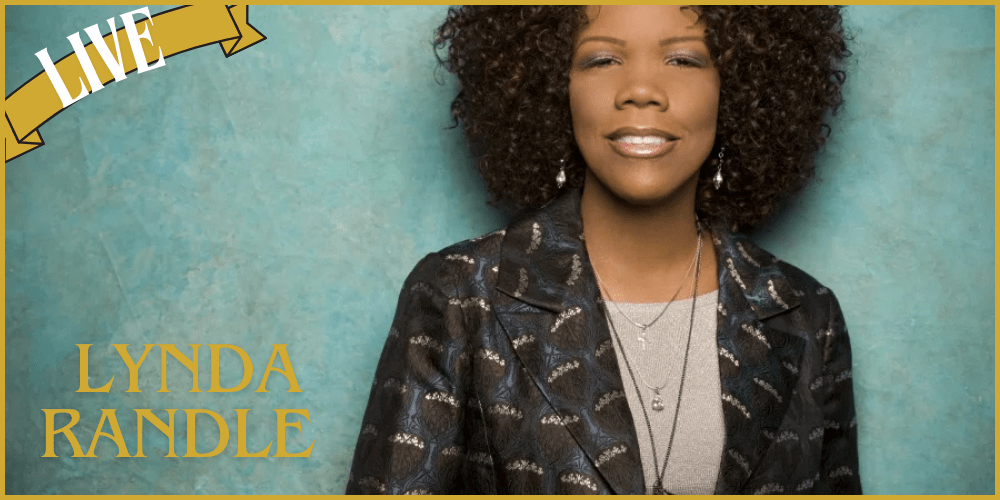
Lynda Randle - Live
Watch highlights from the Lynda Randle live concert
Man and Woman
Watch the video where Gil talks about the connection between the Hebrew words "man," "blood," and "earth". See a discussion about how God created Man and Woman as different but equal.
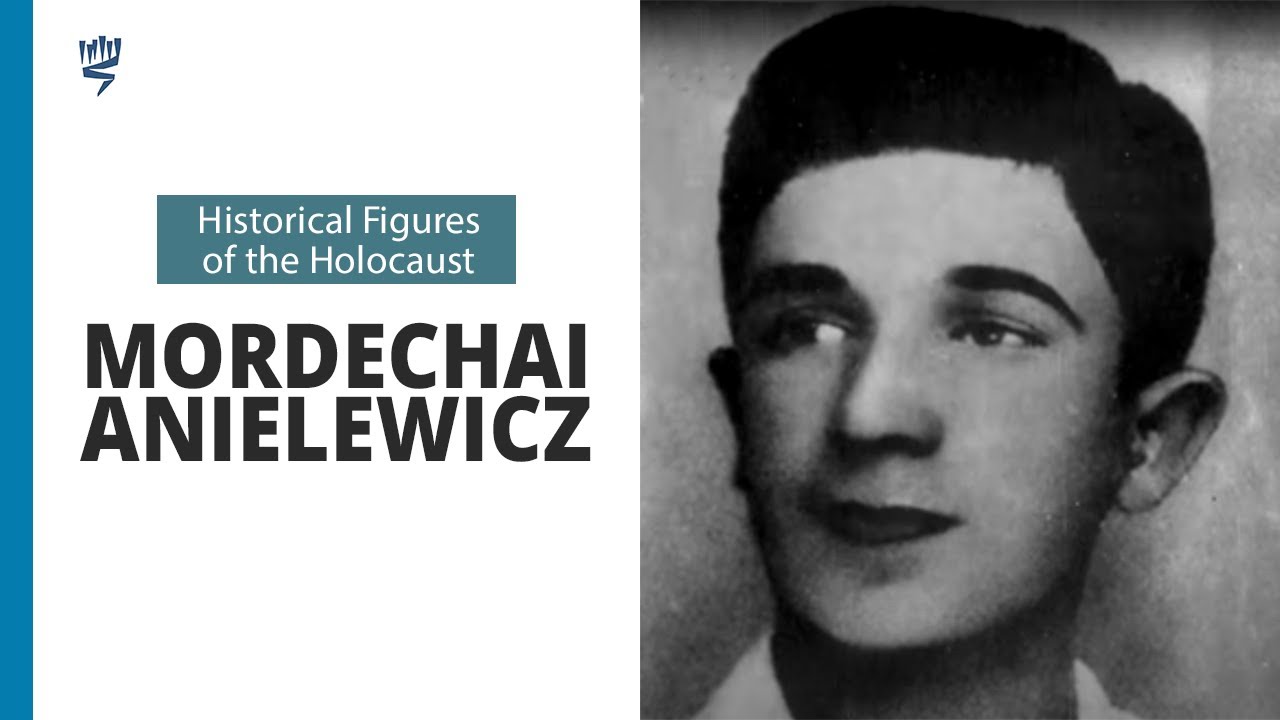
Mordechai Anielewicz
This video traces the life of Mordechai Anielewicz, from his early years in Poland, through his involvement in the "Hashomer Hatzair" Zionist youth movement, and through his role in the Warsaw Ghetto Uprising.
Names and Lineages in the Bible
Watch Video 1 in which Gil and Rabbi Pesach discuss the meaning of several biblical names. Other than Jacob, Isaac, and Rachel, what other biblical characters have names that can help us better understand the story?
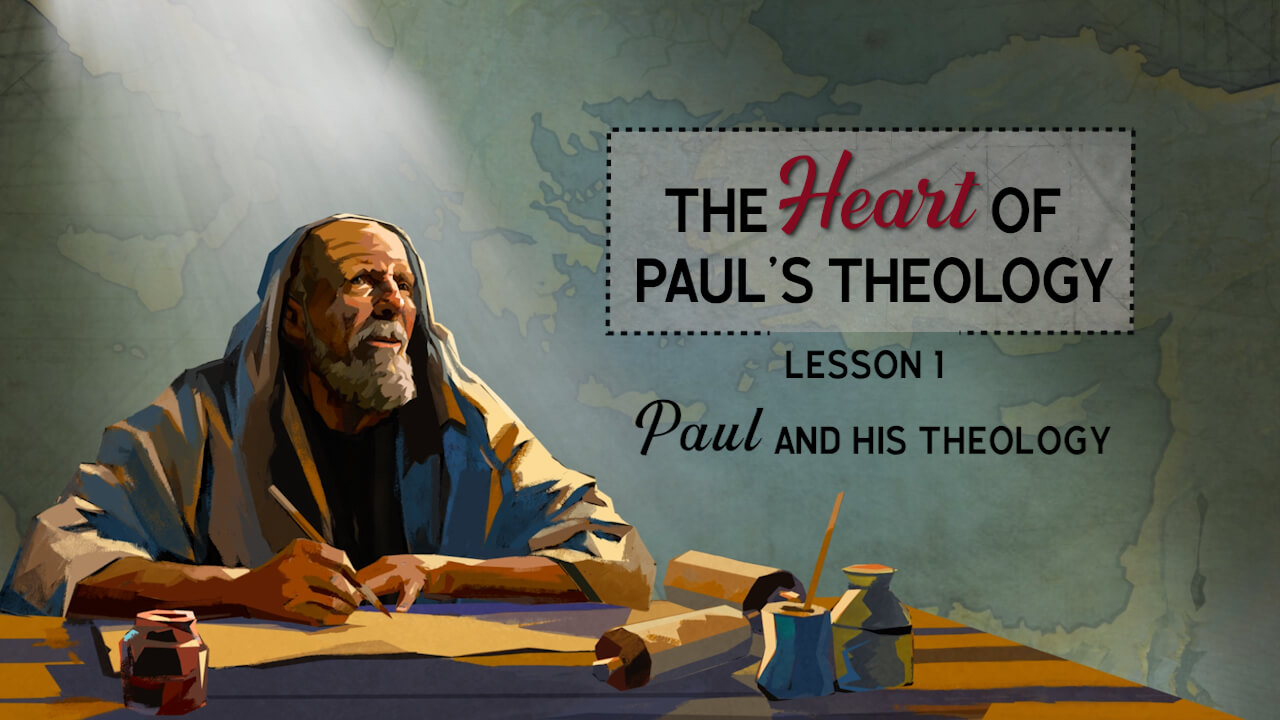
Paul and His Theology
The Heart of Paul's Theology: Paul and His Theology - Part 1 Explores Paul's theology--how his beliefs related to his ministry as well as his central theological outlooks.
Paul and Philemon
Paul's Prison Epistles: Paul and Philemon - Part 4 Paul wrote Philemon for a favor, asking Philemon to reconcile himself to Onesimus.
Paul and the Colossians
Paul's Prison Epistles: Paul and the Colossians - Part 2 Examines Paul's response to the heretical teachings that introduced the veneration of lesser spiritual beings into Christian worship.
Paul and the Corinthians
The Heart of Paul's Theology: Paul and the Corinthians - Part 4 Explores the background to Paul's letters to the Corinthians, examines the structure and content of 1 and 2 Corinthians, and reveals his eschatology.
Paul and the Ephesians
Paul's Prison Epistles: Paul and the Ephesians - Part 3 Examines how Paul designed Ephesians to teach Christians how to build, maintain and thrive in God's kingdom.
Paul and the Galatians
The Heart of Paul's Theology: Paul and the Galatians - Part 2 Explores the background of Paul's Epistle to the Galatians, the content of Galatians, and Paul's central theological outlooks.
Paul and the Philippians
Paul's Prison Epistles: Paul and the Philippians - Part 5 Examines Paul's letter of hope and encouragement for the times of persecution and distress he and the Philippians faced.
Paul and the Thessalonians
The Heart of Paul's Theology: Paul and the Thessalonians - Part 3 Investigates the background to Paul's letters to the Thessalonians, examines the structure and content of 1 and 2 Thessalonians, and reveals his eschatology.
Paul's Imprisonment
Paul's Prison Epistles: Paul's Imprisonment - Part 1 Surveys the circumstances that gave rise to Paul's letters to the Colossians, Philemon, the Ephesians and the Philippians.
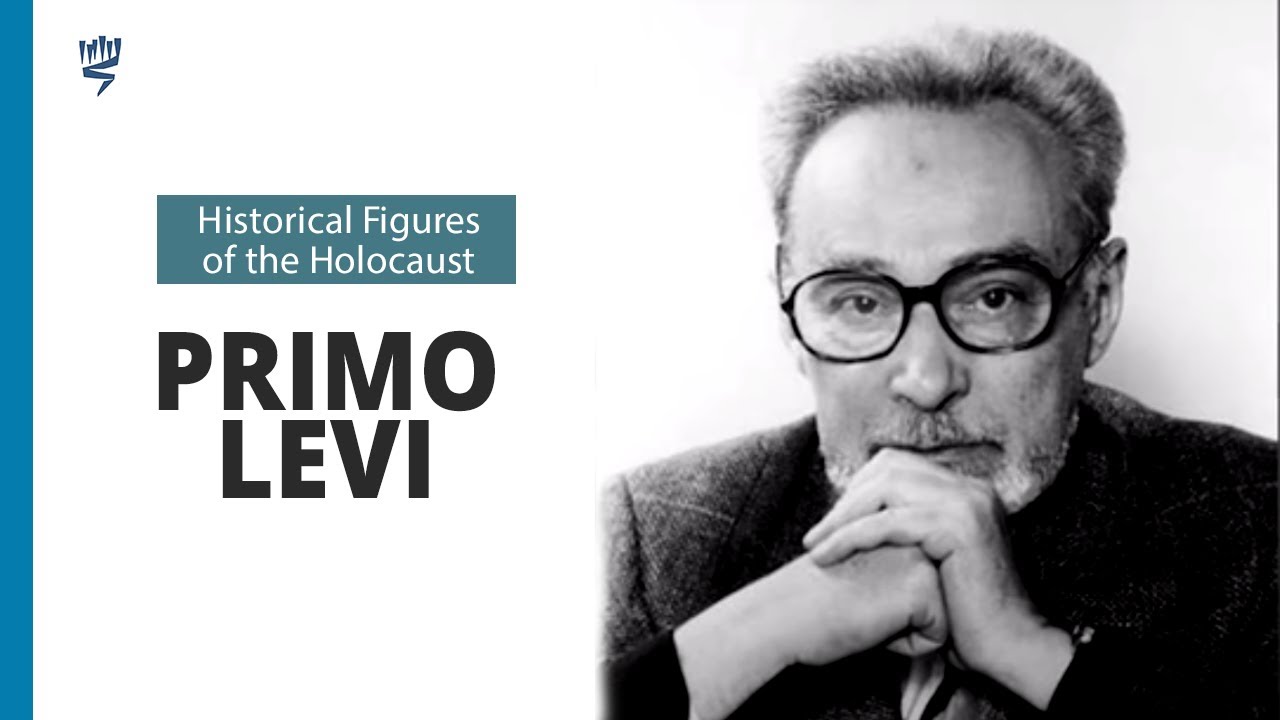
Primo Levi
Primo Levi (1919-1987) is one of the best known and singular Holocaust survivor authors. Levi, a chemist by training, was born in Torino, Italy, joined the anti-Fascist underground, and was sent to Auschwitz in 1944. Over the years Levi has published several masterly literary works dealing honestly with the Holocaust period. He has also penned works that do not touch on the Holocaust, at least not directly. Among his well-known works are "If This Is a Man", "The Truce", "The Drowned and the Saved" and "The Periodic Table". To this day, Levi's writings are a gateway for readers who wish the gain a glimpse, however faintly, of the sounds of Auschwitz and of the Holocaust in general.
Programme 10
Take Note a program that you will listen to music and take notes of the melodies, harmonies and most essentially the message each song brings. Join us as we Listen to voices in praise as they reminde us of those who are praying for us.
Programme 11
Take Note a program that you will listen to music and take notes of the melodies, harmonies and most essentially the message each song brings. Join us as we Listen to voices in praise as they reminde us of those who are praying for us.
Programme 12
Take Note a program that you will listen to music and take notes of the melodies, harmonies and most essentially the message each song brings. Join us as we Listen to voices in praise as they reminde us of those who are praying for us.
Programme 13
Take Note a program that you will listen to music and take notes of the melodies, harmonies and most essentially the message each song brings. Join us as we Listen to voices in praise as they reminde us of those who are praying for us.
Programme 2
Take Note a program that you will listen to music and take notes of the melodies, harmonies and most essentially the message each song brings. Join us as we Listen to voices in praise as they reminde us of those who are praying for us.
Programme 3
Take Note a program that you will listen to music and take notes of the melodies, harmonies and most essentially the message each song brings. Join us as we Listen to voices in praise as they reminde us of those who are praying for us.
Programme 4
Take Note a program that you will listen to music and take notes of the melodies, harmonies and most essentially the message each song brings. Join us as we Listen to voices in praise as they reminde us of those who are praying for us.
Programme 5
Take Note a program that you will listen to music and take notes of the melodies, harmonies and most essentially the message each song brings. Join us as we Listen to voices in praise as they reminde us of those who are praying for us.
Programme 6
Take Note a program that you will listen to music and take notes of the melodies, harmonies and most essentially the message each song brings. Join us as we Listen to voices in praise as they reminde us of those who are praying for us.
Programme 7
Take Note a program that you will listen to music and take notes of the melodies, harmonies and most essentially the message each song brings. Join us as we Listen to voices in praise as they reminde us of those who are praying for us.

Programme 8
Take Note a program that you will listen to music and take notes of the melodies, harmonies and most essentially the message each song brings. Join us as we Listen to voices in praise as they reminde us of those who are praying for us.
Programme 9
Take Note a program that you will listen to music and take notes of the melodies, harmonies and most essentially the message each song brings. Join us as we Listen to voices in praise as they reminde us of those who are praying for us.
Programme1
Take Note a program that you will listen to music and take notes of the melodies, harmonies and most essentially the message each song brings. Join us as we Listen to voices in praise as they reminde us of those who are praying for us.
Propositions in Systematics: Forum
Building Systematic Theology: Propositions in Systematics: Forum - Part 3 A companion video to lesson 3 of the same series that asks the following questions: What is a proposition? Why are propositions so important to systematic theology? What can we lose if we focus only on propositions? Do Protestant churches tend to overemphasize propositional truth? Why is important not to abandon propositional truth? What genres does Scripture use to teach theology? Can systematic theology be done with other types of statements than propositions? What are some examples of factual reduction? What is factual collation? Is proof-texting a responsible practice? Should preachers ever reduce biblical texts to propositions? Are propositional statements less manipulative than emotional appeals? Do propositions contribute both to unity and to disunity in the church? What perspectives on propositions are most beneficial for Christian living?
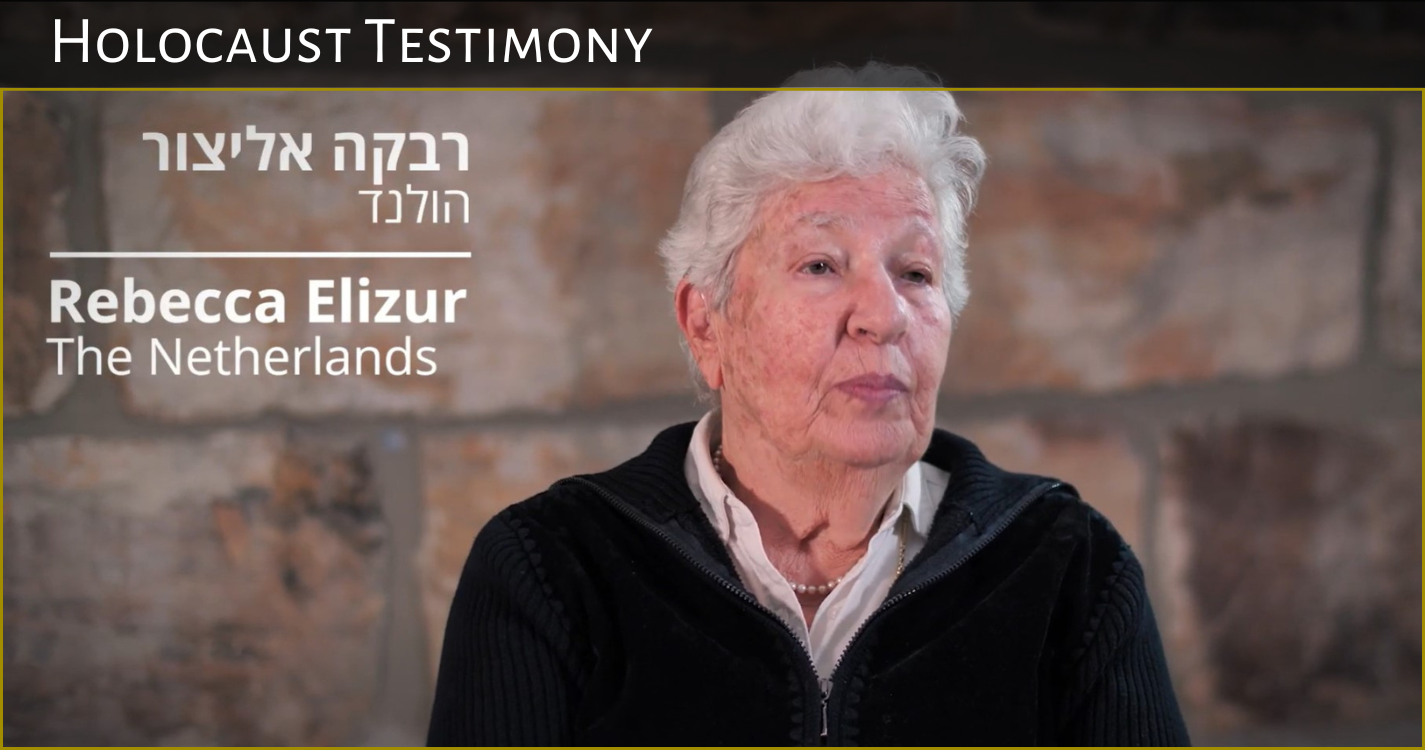
Rebecca Elizur
Rebecca-Branca Lissauer (later Elizur) was born in 1934 in Amsterdam, to Jack, a textile merchant, and Rosalie-Rachel. She had an older brother, Joop-Joshua. When Nazi Germany invaded the Netherlands in May 1940, Rebecca was in the first grade. In the summer of 1942, the family was arrested. "Mother told us to prepare a bag," Rebecca remembers. "One night, we were taken from our home to the Jewish Theater in Amsterdam. I cried all night." The family was taken to the Amersfoort camp and from there to the Westerbork transit camp, where, from the summer of 1942, deportation trains left weekly for the extermination camps in Eastern Europe. "We stood by the departing trains and waved goodbye. The adults around me would cry because they knew that whoever went on those trains would never return."
Relying on Revelation: Forum
Building Your Theology: Relying on Revelation: Forum - Part 3 A companion video to lesson 3 of the same series that asks the following questions: What is general revelation? What are very general revelation and specialized general revelation? Does God reveal things in dreams and intuitions? Is modern prophecy special or general revelation? Why do we need general revelation to interpret special revelation? Do we need the Holy Spirit to help us understand even simple truths? Does the Holy Spirit really work in unbelievers? How do we come into personal contact with the Holy Spirit? Why is truth analog rather than binary? How does the Holy Spirit give us confidence in our theological conclusions?
Sarah
Watch the video in which Gil and Rabbi Pesach discuss the fact that in the Hebrew Bible, even the most respected characters are shown to have flaws. Why do you think that is?
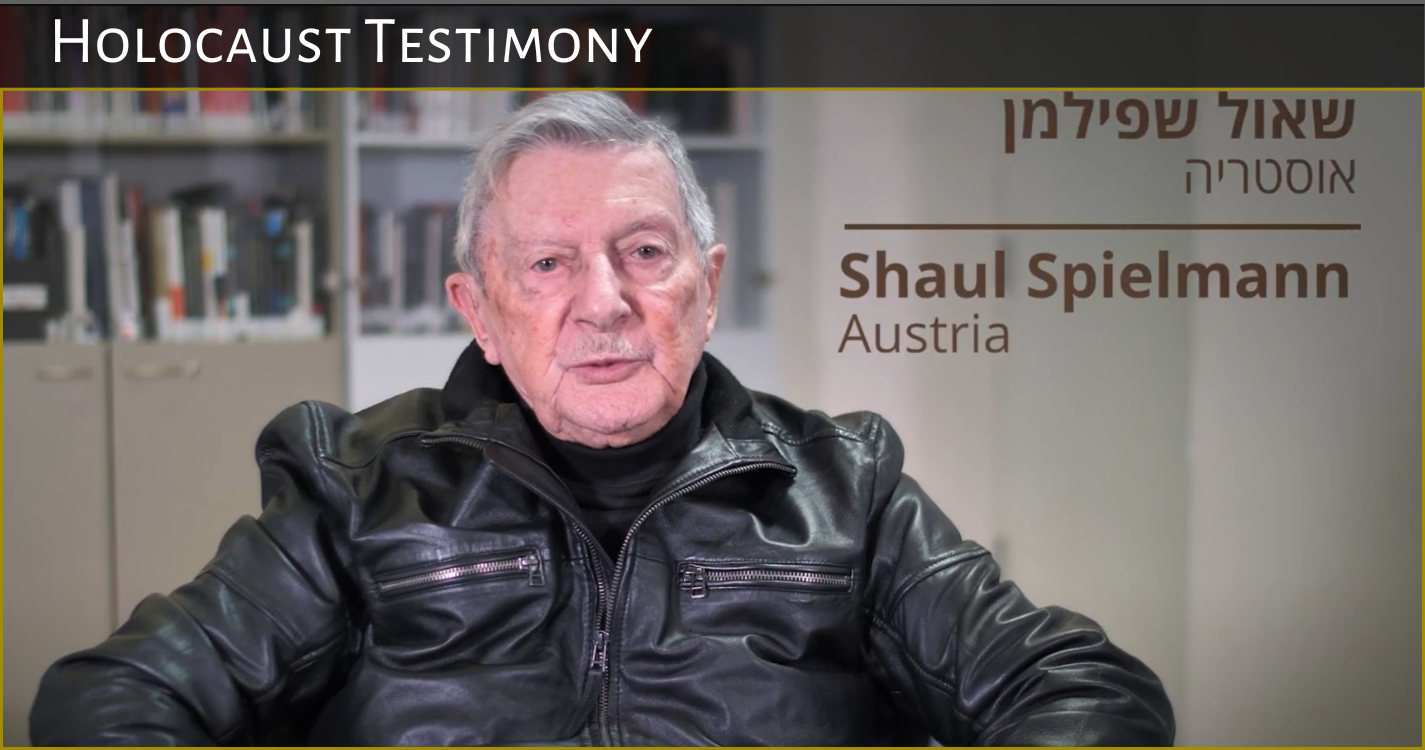
Shaul Spielmann
Shaul Spielmann was born in 1931 in Vienna, Austria, the only son of Benno, an engineer at the Austrian Electric Company, and Jossefa, a pianist who ran the family-owned delicatessen. "The day after the Anschluss in March 1938, the principal informed me and the other two Jewish students that because of the Nuremberg Laws we could not continue to study at the school," Shaul recalled. "I returned home in tears. My father told me he had been fired." "Two days later, SA officers broke into our apartment. One put a gun to my head and told my father that if he did not hand over all the money, gold and valuables in the house, he would have to scrape my brain off the wall. Mother collapsed. Father gave them everything. I was terribly afraid the officer would accidentally shoot, because his finger was on the trigger."
Sin and Crime
Watch the video in which Gil and Rabbi Pesach discuss the story of Adam and Eve and their wrongdoing.

Surprise! Surprise! Surprise!
Episode 366: Lonesome Road Podcast
Technical Terms in Systematics: Forum
Building Systematic Theology: Technical Terms in Systematics: Forum - Part 2 A companion video to lesson 2 of the same series that asks the following questions: Are theological technical terms an unnecessary hindrance? How can pastors help their congregations understand technical terms? Should we all encourage Christians to learn theological technical terms? Should we use technical terms when we teach and preach in church? Why did God make language ambiguous? How can we be confident that our understanding of Scripture is correct? Do problems arise when technical terms are translated into new languages? Are some concepts identified by multiple technical terms? Should we vary our language in order to communicate to different people? How can we communicate to diverse groups without using technical terms? Does the Bible have its own theological technical terms? How can we tell when the Bible is using multiple terms to refer to a single concept? How important is it to understand the differences between biblical writers? How are theological technical terms created? Is there a continuing need to create new technical terms in theology? Do we risk changing our concepts when we create new technical terms? Should we work with Christians in other cultures to develop technical terms? Is it wrong to assign new meaning to biblical terms in order to use them as technical terms? How can we make sure that we understand biblical terms rightly? Can believers from other cultures help us understand biblical concepts? Do we really need a complex system of theology in addition to Scripture? Is it wrong to get theological technical terms from extrabiblical sources? How can technical terms answer deep questions about the Bible? Is it sometimes more efficient to avoid technical terms? How do we help believers work with technical terms and concepts?
The Ark and the Darkness
There is a tale over 4,000 years old, preserved in ancient writings from every major culture around the world. Many thought it was only a myth, but recent discoveries confirm what the Bible has said all along. From the Director of Genesis: Paradise Lost, Sevenfold films and Genesis Apologetics present The Ark and the Darkness. Geology, paleontology, the fossil record, ancient history, volcanism, earth science--all of these scientific fields converge on one simple truth: Noah's Flood actually happened. Join our team of scientists from Answers in Genesis and Liberty University as we reveal the truth about Noah's Flood.
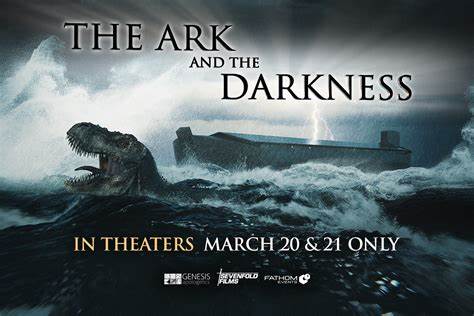
THE ARK AND THE DARKNESS
The Ark and the Darkness — English version. Creation, The Flood, Babel, The Return.
The Book of Esther
Watch the video in which Gil and Rabbi Pesach continue discussing the cycle of confrontations between the Amalekites and the Jewish people, and it’s manifestation in the Book of Esther.
The Christ
We Believe in Jesus: The Christ - Part 2 Explores the life and ministry of Jesus Christ.
The King
We Believe in Jesus: The King - Part 5 Explores Jesus' fulfillment of the Old Testament office of king.
The Life of Abraham: Modern Application
Father Abraham: The Life of Abraham: Modern Application - Part 3 Concentrates on responsible ways to draw modern applications from the chapters in Genesis that speak of Abraham.
The Life of Abraham: Original Meaning
Father Abraham: The Life of Abraham: Original Meaning - Part 2 Explores the original impact these stories were intended to have on the nation of Israel as they followed Moses toward the Promised Land.
The Life of Abraham: Structure and Content
Father Abraham: The Life of Abraham: Structure and Content - Part 1 Explores the stories that ancient Israelites told about Abraham, their great patriarch.
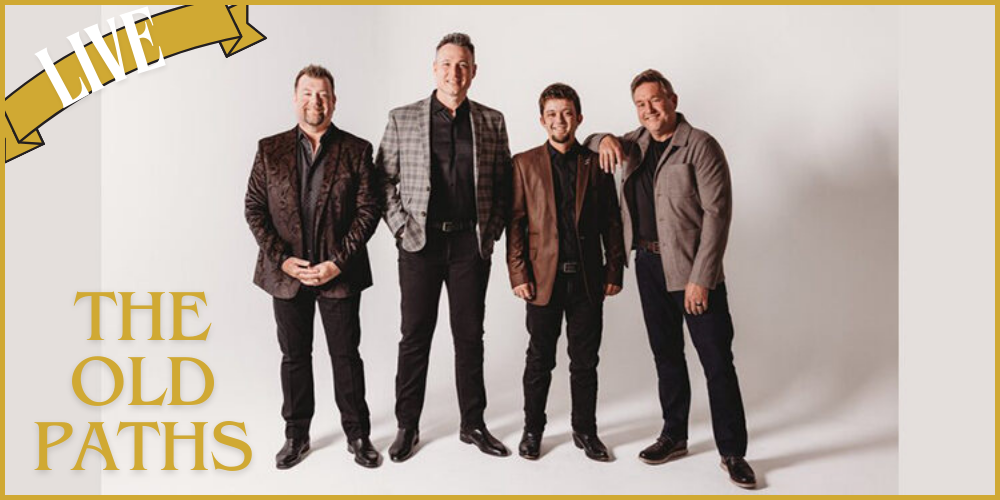
The Old Paths - Live
Watch highlights from the Old Paths concert

The Pathway To Power
Episode 367: The Pathway to Power
The People of the Covenant
He Gave Us Prophets: The People of the Covenant - Part 3 Examines humanity and covenant, Israel and covenant as well as salvation and covenant.
The Priest
We Believe in Jesus: The Priest - Part 4 Explores Jesus' fulfillment of the Old Testament office of priest.
The Prophet
We Believe in Jesus: The Prophet - Part 3 Explores Jesus' fulfillment of the Old Testament office of prophet.
The Purpose of Predictions
He Gave Us Prophets: The Purpose of Predictions - Part 7 Explores four topics related to prophetic words about the future: God's sovereignty, human contingencies, degrees of certainty, and desired outcomes.
The Redeemer
We Believe in Jesus: The Redeemer - Part 1 Explores the role of God the Son throughout redemptive history.
The Tower of Babel
Watch the video in which Gil mentions a number of dangerous situations that pride can lead to, such as war and dictatorships.
The Universe
Watch the video to learn more about the hidden meanings of several new Hebrew words. Do you think we will someday reveal the secrets of the universe?
Then There Was Light
Why do you think the Bible explains how to construct the Menorah in such detail? Watch the video where Gil explains how the first verse of each of the five books of the Torah (the first five books of the Bible) represents parts of the Menorah.
Traveling in a Time Machine
Watch the video in which Gil and Rabbi Pesach discuss the reason names and lineages are mentioned in the Bible. They also consider the fact that events are not random and that there is a plan, which is known to God.
What Is Systematic Theology?: Forum
Building Systematic Theology: What Is Systematic Theology?: Forum - Part 1 A companion video to lesson 1 of the same series that asks the following questions: Is Christian theology rooted in Scripture alone? Should we use general revelation in systematic theology? Why is logical coherence important? How can we focus on multiple themes in Scripture? Does systematic theology impose Aristotelian thinking onto the Bible? Does systematic theology incline us toward speculation? Why is a traditional emphasis important in systematic theology? Why do some Christians prefer modern thinking over traditional thinking? Are we held accountable to the past? What role does the Old Testament play in systematic theology? Should we do theology pastorally instead of systematically? Should we use systematic theology in preaching and pastoring? Does the focus of systematic theology differ from the focus of the Bible? What modern questions is systematic theology answering? What happens when culture influences systematic theology? Is it right to use systematic theology to discipline and teach the nations? How can we relate ancient cultural situations to modern situations? Are some modern cultures more similar than others to ancient culture? Do the differences between modern and ancient culture make the Bible irrelevant? How did the early church use Neo-Platonic language? Does modern theology emphasize the spiritual over the material? What is the difference between Neo-Platonism and Aristotelianism? Does traditional systematic theology overemphasize rationality? What is the role of the Holy Spirit in systematic theology? Do systematic theologians sometimes avoid the Holy Spirit's ministry? Should we focus on the past or present when we do theology? How do we guard our hearts when we interact with modern culture?
What Is Theology?: Forum
Building Your Theology: What Is Theology?: Forum - Part 1 A companion video to lesson 1 of the same series that asks the following questions: How are orthopraxis and orthopathos different from orthodoxy? What are some examples of orthodoxy, orthopraxis and orthopathos? Does orthopraxis add a requirement of works to the gospel? Which is primary: orthodoxy, orthopraxis or orthopathos? How do orthodoxy, orthopraxis and orthopathos interrelate? What is a web of multiple reciprocities? How can we balance orthodoxy, orthopraxis and orthopathos? How can we resolve tensions between orthodoxy, orthopraxis and orthopathos? Why is the series titled Building Your Theology"? Is it biblical to engage in formal theology? Do the academic and life orientations toward theology influence each other? How can we broaden our orientation toward theology? Is formal theology the best way to discover truth? Should we evaluate general revelation in terms of orthodoxy, orthopraxis and orthopathos? Do you have to be smart to do theology? How do biblical studies, history and theology, and practical theology interrelate? Why do seminaries have a hard time teaching practical theology?"

When The Heat Is Turned Up
Episode 362: Lonesome Road Podcast